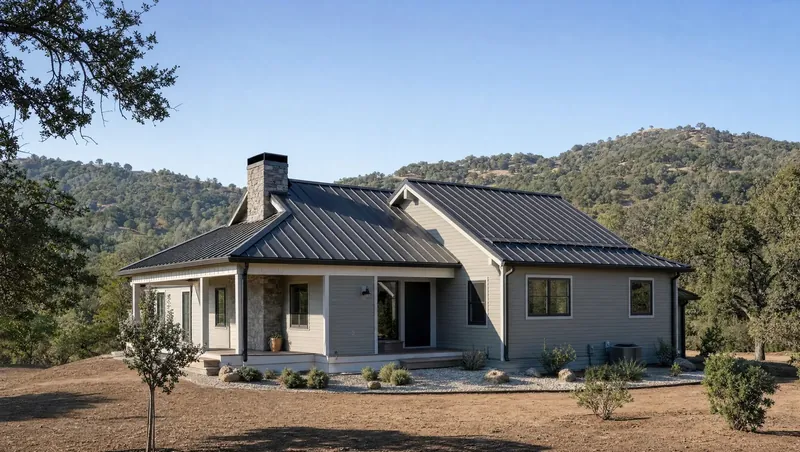
In short
California is one of the only states that legally requires insurers to factor wildfire mitigation into pricing. Under the state's Safer from Wildfires regulation, every insurer selling homeowners coverage in California must give rate credit for specific hardening and defensible space measures — not as a courtesy, but as a condition of doing business here. The California FAIR Plan's current wildfire hardening discount program can knock up to 16.4% off the wildfire portion of a dwelling fire premium. The catch: none of this is automatic. You have to document the work and, in most cases, apply for the credit yourself.
12 things insurers must give you credit for
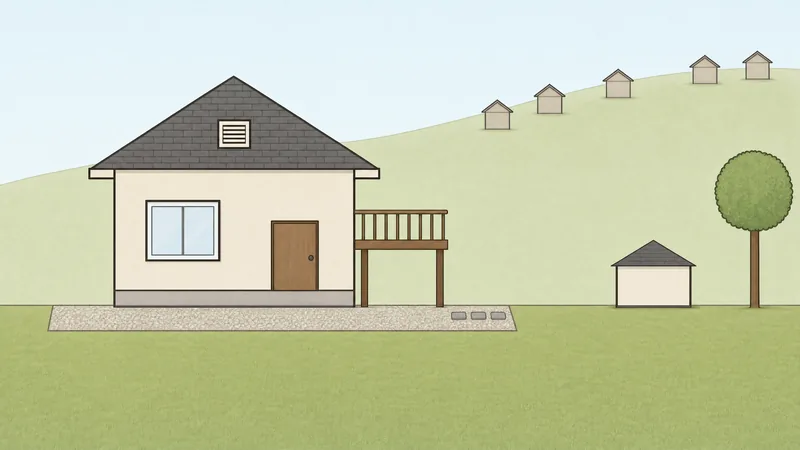
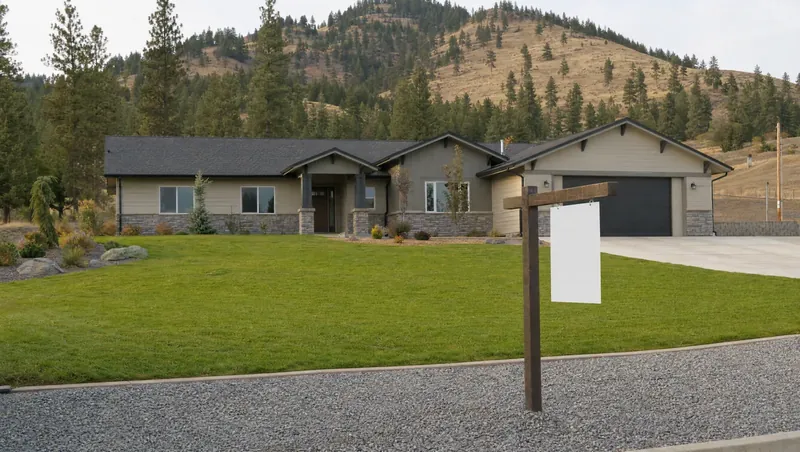
Required by 10 CCR §2644.9 — find each number on the house.
- Class-A fire-rated roof
- Enclosed eaves
- Ember- and fire-resistant vents
- Multipane windows or functional shutters
- 6 inches of noncombustible clearance at the base of walls
- Vegetation and debris cleared from under decks
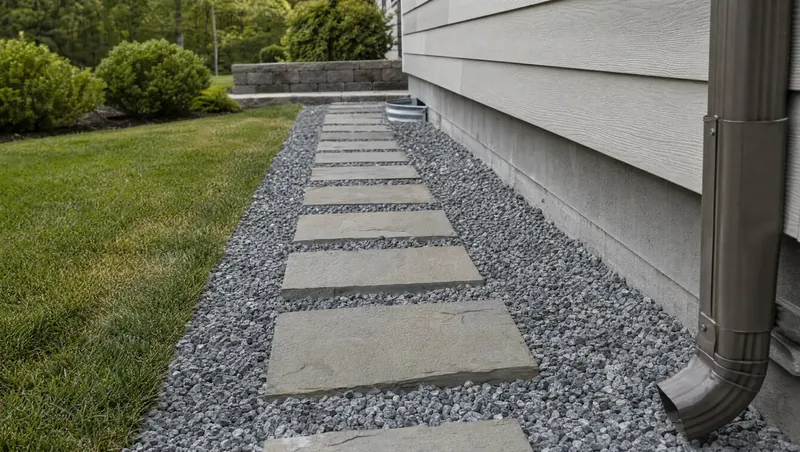
- First 5 feet cleared · Zone 0
- Only noncombustible materials within 5 feet
- Sheds and outbuildings at least 30 feet away
- Defensible space under Public Resources Code §4291
Your neighborhood
2 measures- Fire Risk Reduction Community
- Firewise USA site in good standing
What the full stack is worth
Four places the discount comes from
- Up to 16.4%
California FAIR Plan
The one fully public discount schedule
- Proof
- Photos + contractor records
- Inspection
- Not mandatory — can request verification
- Varies
Other insurers
Credit required, amount set by each insurer
- Proof
- Varies — ask your agent
- $125 fee
IBHS Wildfire Prepared Home
- BaseStops wind-blown embers
- Plus+ direct flame and radiant heat
- Rewarded by
- CSAA (AAA), Mercury, State Farm — varies by carrier and location
- Neighborhood
Firewise USA
A site in good standing — organized by neighbors, not one homeowner
- Applied by
- USAA, Mercury, the FAIR Plan
How to claim it
- 1 Photograph before and after Vents, roof, eaves, windows, the 5-foot zone
- 2 Keep invoices that name the measure “Ember-resistant vent installation,” not “general repair”
- 3 Save certificates Wildfire Prepared Home, Firewise USA letter, inspection notice
- 4 Send it at renewal To your insurer or broker, without waiting to be asked
None of this is automatic. Most discounts aren't applied until you ask.
The Safer from Wildfires framework
Safer from Wildfires is the California Department of Insurance's framework built around 10 CCR §2644.9 (effective October 14, 2022), which requires insurers writing homeowners policies in California to reflect wildfire mitigation in their rating and underwriting. The regulation organizes mitigation into three layers — the structure itself, the immediate surroundings, and the community — and requires insurers to give credit for twelve specific measures across those layers.
Building hardening (5 measures)
- Class-A fire-rated roof
- Enclosed eaves
- Ember- and fire-resistant vents
- Multipane windows (including dual-pane) or functional shutters
- At least 6 inches of noncombustible vertical clearance at the base of exterior walls
Immediate surroundings, within 5–30 ft of the structure (5 measures)
- Clearing vegetation and debris from under decks
- Clearing vegetation, debris, mulch, stored combustible materials, and movable combustible objects within 5 feet of the structure — the Zone 0 ember-resistant zone
- Using only noncombustible materials for improvements within that same 5-foot zone
- Removing or keeping combustible sheds and other outbuildings at least 30 feet away
- Compliance with defensible space requirements under Public Resources Code §4291 and applicable local ordinances
Community level (2 measures)
- Location in a Fire Risk Reduction Community designated by the Board of Forestry and Fire Protection
- Location in a Firewise USA site in good standing
Safer from Wildfires sets the floor — insurers must recognize these measures — but it doesn't set a specific discount percentage for the admitted market. Each insurer files its own wildfire mitigation discount schedule with the state; amounts vary by carrier. The FAIR Plan (below) is the one insurer whose current discount schedule is fully public.
FAIR Plan discounts: current tiers
The California FAIR Plan — the state's insurer of last resort for homes that can't get coverage in the standard market — rolled out a twelve-part wildfire hardening discount program effective November 15, 2025. Stacking all twelve measures brings up to 16.4% off the wildfire portion of a dwelling fire policy premium, or up to 13.8% on commercial policies. The discounts split into the same structure and immediate-surroundings categories as the state framework, plus a property-level completion bonus and a community discount.
To apply, homeowners submit documentation directly to the FAIR Plan — photos and, where applicable, contractor records showing each completed measure. The FAIR Plan has said most policyholders qualify for roughly half the available discount on a first review and can add the rest as they complete more of the twelve measures over time. Ask your broker or the FAIR Plan directly for the current application form, since discount schedules are revised periodically.
IBHS Wildfire Prepared Home certification
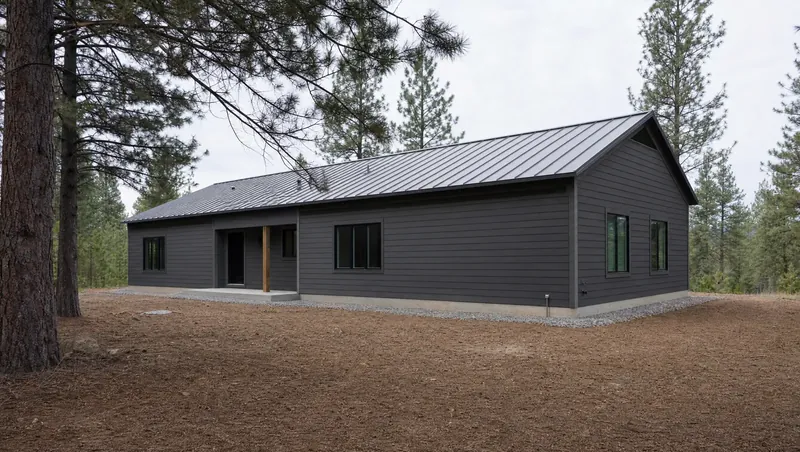
Wildfire Prepared Home, run by the Insurance Institute for Business & Home Safety (IBHS), is a separate, voluntary certification — not a state mandate. It has two levels:
- Base — focuses on stopping wind-blown embers, the leading cause of home ignition. Most existing homes can retrofit to this level without major construction.
- Plus — builds on Base by adding protection against direct flame contact and radiant heat, typically achieved during new construction or a major exterior renovation.
Homeowners complete the required mitigation actions, then submit photo verification to IBHS along with a non-refundable $125 application fee that covers processing and eligibility review — payment doesn't guarantee a designation, and verification is done by an authorized third-party evaluator (or an approved self-inspection app where no evaluator is available). Insurers that have publicly said they reward the designation include CSAA (AAA), Mercury, and State Farm, but the amount and availability vary by carrier and location, so confirm with your agent before you apply if the discount is the deciding factor. For the full requirements, lifecycle costs, and the current carrier-by-carrier picture, see our Wildfire Prepared Home guide.
Community discounts: Firewise USA
Firewise USA, administered by the National Fire Protection Association, recognizes neighborhoods that organize around wildfire risk reduction. Under Safer from Wildfires, California insurers must offer rate relief to properties inside a Firewise USA site in good standing — USAA, Mercury, and the FAIR Plan are among the carriers that currently apply this discount. Becoming a recognized site is a neighborhood-level effort (forming a committee, completing a risk assessment, filing a multi-year action plan, and logging an annual volunteer-hour commitment) rather than something one homeowner can do alone — check with a local Fire Safe Council if your neighborhood isn't already enrolled.
How to document your work for insurers
Every discount program above runs on paperwork, not a state inspector showing up automatically. Before and after any hardening or defensible space project:
- Photograph before and after — wide shots and close-ups of vents, roofing, eaves, window upgrades, and the 5-foot zone around the foundation.
- Keep contractor invoices and scopes of work that name the specific measure completed (e.g., "ember-resistant vent installation," not just "general repair") — this is what ties the work to a specific line item on an insurer's discount schedule.
- Save any certification paperwork — a Wildfire Prepared Home designation certificate, a Firewise USA site letter, or a defensible space inspection notice from a local fire agency.
- Send it to your insurer or broker directly — most discounts aren't applied until you ask, so proactively submit documentation at renewal rather than waiting to be asked.
Which measures map to which service
The twelve Safer from Wildfires measures split cleanly into two kinds of contractor work:
- Home hardening — Class-A roofing, ember-resistant vents, enclosed eaves, multipane windows or shutters, and noncombustible wall clearance. This is structural retrofit work.
- Defensible space — clearing vegetation and debris from the 5-foot, 30-foot, and 100-foot zones, and removing or relocating combustible outbuildings. See Zone 0 for what the innermost 5-foot ember-resistant zone specifically requires.
Most homes need both to qualify for the full discount stack — hardening alone or defensible space alone typically earns partial credit, not the maximum available.
FAQ
5
Do I have to get an inspection for these discounts, or can I self-report?
It depends on the insurer. The FAIR Plan's wildfire hardening discount program is largely based on a homeowner-submitted application with supporting photos, not a mandatory on-site inspection, though the FAIR Plan can request verification. IBHS Wildfire Prepared Home requires photo documentation submitted directly to IBHS, with verification by an authorized third-party evaluator (an approved self-inspection app is used where no evaluator is available). Admitted-market insurers vary — ask your agent what they require.
Does a Class-A roof or ember-resistant vents alone qualify me for a discount?
Under 10 CCR 2644.9, insurers must offer rate credit for each individual building-hardening measure you complete — a Class-A roof, enclosed eaves, ember-resistant vents, multipane windows or shutters, and 6 inches of noncombustible vertical clearance are each recognized separately. The FAIR Plan's current program stacks up to 12 individual discounts, so a single upgrade like a new roof earns a partial credit, not the full stack.
How much can I actually save?
On the FAIR Plan, homeowners who complete the immediate-surroundings and structure measures can reach a combined discount of up to 16.4% off the wildfire portion of a dwelling fire premium (up to 13.8% on commercial policies), effective November 15, 2025. For admitted-market insurers, the discount amount is set by each insurer's own rate filing — Safer from Wildfires requires them to give credit, but not a specific percentage.
Is Wildfire Prepared Home certification worth the $125 fee?
It depends on your insurer. Carriers including CSAA (AAA), Mercury, and State Farm have publicly said they offer discounts or other incentives to homes with an IBHS Wildfire Prepared Home designation, but availability and amount vary by carrier and location. Confirm with your specific agent before paying the fee if the discount is your main reason for pursuing it.
Do defensible space contractors also help with the vent, roof, and eave requirements?
Vegetation and fuel work (the 5-ft, 30-ft, and 100-ft zones) is defensible space clearing. Vents, eaves, roofing, and windows are structural home hardening — a different scope, sometimes done by the same contractor and sometimes not. Check a listing's services before assuming one contractor covers both.
Sources 5
- Safer from Wildfires insurance.ca.gov
- 10 CCR §2644.9 law.cornell.edu
- California FAIR Plan cfpnet.com
- Wildfire Prepared Home wildfireprepared.org
- Firewise USA nfpa.org
Planning hardening work for an insurance discount? Find contractors in your county
- Alameda44
- Alpine3
- Amador16
- Butte60
- Calaveras23
- Colusa4
- Contra Costa52
- Del Norte1
- El Dorado75
- Fresno16
- Glenn7
- Humboldt15
- Imperial5
- Inyo4
- Kern19
- Kings4
- Lake18
- Lassen7
- Los Angeles282
- Madera10
- Marin75
- Mariposa4
- Mendocino34
- Merced9
- Modoc3
- Mono5
- Monterey24
- Napa44
- Nevada97
- Orange49
- Placer86
- Plumas11
- Riverside64
- Sacramento41
- San Benito6
- San Bernardino41
- San Diego67
- San Francisco9
- San Joaquin18
- San Luis Obispo16
- San Mateo32
- Santa Barbara30
- Santa Clara49
- Santa Cruz33
- Shasta41
- Sierra5
- Siskiyou10
- Solano13
- Sonoma107
- Stanislaus16
- Sutter7
- Tehama21
- Trinity5
- Tulare17
- Tuolumne19
- Ventura34
- Yolo12
- Yuba12
 Zone 0: the first 5 feet
  Wildfire Prepared Home
  AB-38: selling a home
  Defensible space inspections