California Wildfire Laws New in 2026: What Homeowners Must Know
Updated: 2026-07-05
Three wildfire-related bills — AB 888, SB 429, and AB 1 — were signed in October 2025 and are in force from January 1, 2026 (AB 888’s grant program was operative on signing), as part of a package of nine consumer-protection laws sponsored by the California Insurance Commissioner. None of them adds a new requirement homeowners must comply with right now. AB 888 opens a grant program for home-hardening costs, SB 429 funds wildfire-risk research with no homeowner-facing action, and AB 1 sets a review schedule for insurance mitigation discounts. Two other 2026 changes — SB 495 (faster claims payouts) and AB 226 (FAIR Plan stability) — matter more day-to-day for most homeowners. Your actual legal obligations are unchanged: PRC 4291 defensible space and, at sale, AB-38 disclosure.
AB 888 — California Safe Homes grant program
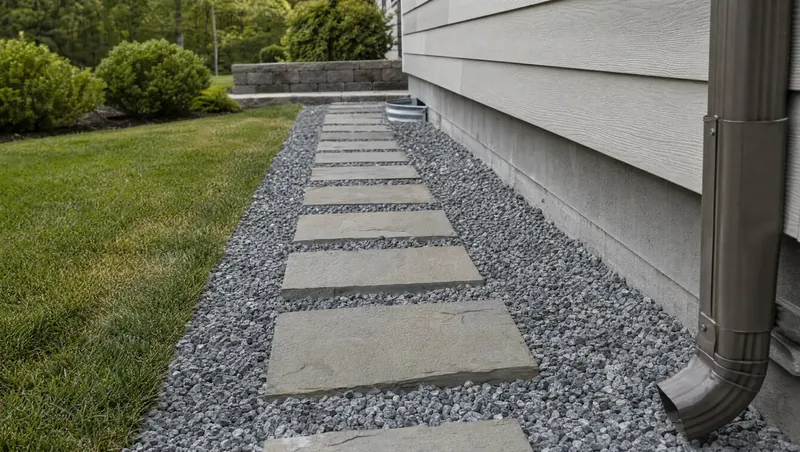
AB 888 (Calderon), chaptered October 10, 2025, creates a grant program inside the Department of Insurance to help homeowners pay for fire-safe roof replacement and for hardening the first 5 feet around a structure (Zone 0-style mitigation). Funds sit in a new Sustainable Insurance Account and are available once the Legislature appropriates money for the program.
Who it affects: to qualify, a homeowner must be considered low-income for their county, live in a High or Very High Fire Hazard Severity Zone, and be insured by an admitted carrier or the FAIR Plan. What to do: if you might qualify, watch the Department of Insurance's program page for when applications open — the law directs funding but doesn't guarantee it's flowing yet. Effective: the program itself was operative on signing (October 10, 2025); actual grants depend on appropriation.
SB 429 — California Wildfire Public Model Act
SB 429 (Cortese), chaptered October 10, 2025, funds a university-based research center to build the nation's first publicly available wildfire catastrophe model — a tool for simulating wildfire property risk that insurers, planners, and local governments can use.
Who it affects: in practice, no one at the homeowner level yet — this is a research and data infrastructure bill, not a mitigation requirement or consumer benefit you can act on today. What to do: nothing right now; the model is a multi-year build and the Department of Insurance owes the Legislature a funding plan by September 1, 2026. It's worth knowing about because a public wildfire model could eventually inform how your area's risk (and insurance pricing) gets assessed.
AB 1 — Insurance and Wildfire Safety Act
AB 1 (Connolly), chaptered October 9, 2025, requires the Department of Insurance to periodically review and update its Safer from Wildfires regulation — the rule that requires insurers to factor mitigation work into pricing — to consider adding newer building-hardening measures, including materials on the State Fire Marshal's Building Materials Listing or meeting Chapter 7A of the California Building Standards Code.
Who it affects: every homeowner who wants mitigation work reflected in insurance pricing, eventually. What to do: don't wait on this — the first mandated review isn't due until January 1, 2030, then every five years after. Ask your insurer today whether work you've already done qualifies under the current Safer from Wildfires rules; AB 1 only affects future updates to that list. Effective: January 1, 2026, for the review mandate itself.
Two more 2026 changes that matter more right now
Two other laws from the same package affect homeowners more directly than SB 429 does:
- SB 495 ("Eliminate the List") — after a total loss in a declared disaster, insurers must pay 60% of your personal property coverage limit (capped at $350,000) without requiring a detailed item-by-item inventory, and the deadline to file proof of loss is extended to at least 100 days, with good-cause extensions. Applies to policies issued or renewed on or after July 1, 2026.
- AB 226 (FAIR Plan Stability Act) — lets the California FAIR Plan, the insurer of last resort in high-risk areas, access catastrophe bonds and credit arrangements so it can pay claims after a severe wildfire season without collapsing or triggering emergency assessments on all policyholders statewide.
How this fits with the rules you already have to follow
None of the 2026 laws above change your existing compliance obligations:
- PRC 4291 defensible space — 100 feet of clearance around structures in State Responsibility Area / Very High Fire Hazard Severity Zone land is still the baseline law, unchanged by AB 888, SB 429, or AB 1.
- AB-38 — sellers of homes in a High or Very High Fire Hazard Severity Zone still must provide defensible space compliance documentation at sale. Not touched by the 2026 package.
- Zone 0 — the stricter 5-foot ember-resistant standard that AB 888 references is still in draft. The Board of Forestry missed its December 31, 2025 deadline to finalize it, and as of this writing there is no enforceable statewide Zone 0 rule yet.
- Insurance discounts — the Safer from Wildfires framework and the FAIR Plan's wildfire hardening discount program already exist. AB 1 only changes how often that framework gets reviewed going forward.
FAQ
Do AB 888, SB 429, and AB 1 require homeowners to do anything new?
No. None of the three creates a new homeowner obligation. AB 888 funds a grant program you can apply to if you qualify; SB 429 funds a wildfire modeling research center with no homeowner-facing action; AB 1 tells the Department of Insurance to review its wildfire discount regulation on a schedule, with the first review due by January 1, 2030. Your existing obligations still come from PRC 4291 (defensible space) and, if you're selling, AB-38.
Is Zone 0 (the 5-foot ember-resistant zone) required in 2026?
Not yet. AB 3074 (2020) directed the Board of Forestry to write Zone 0 regulations, and Governor Newsom ordered them finished by December 31, 2025. That deadline passed. As of the Board’s most recent 2026 draft, Zone 0 is still in rulemaking with no statewide enforcement date set. See our full Zone 0 guide for the current draft and status.
Can I get money from AB 888 to harden my home?
Possibly, once the program is funded and open for applications. AB 888 (the California Safe Homes grant program) directs the Department of Insurance to prioritize grant funds for fire-safe roof replacement and Zone 0 mitigation for homeowners who are low-income for their county, live in a High or Very High Fire Hazard Severity Zone, and carry an admitted or FAIR Plan policy. Funding depends on legislative appropriation, so check the Department of Insurance site for whether the program is accepting applications.
Does any 2026 law affect my insurance claim after a wildfire?
Yes — separately from AB 888/SB 429/AB 1. SB 495 ("Eliminate the List") requires insurers to pay 60% of your personal property coverage limit (up to $350,000) after a declared-disaster total loss without a detailed inventory, and extends the proof-of-loss deadline to at least 100 days. It applies to policies issued or renewed on or after July 1, 2026. AB 226 lets the FAIR Plan use catastrophe bonds and credit lines to stay solvent after large wildfire years.
What should I actually do differently because of these laws?
Little changes today. Keep meeting PRC 4291 defensible space (100 ft) and, if selling in a High/Very High zone, AB-38 documentation. Watch for Zone 0 adoption since it will add a stricter 5-foot standard. If you're low-income in a fire hazard zone, watch for AB 888 grant applications opening. And ask your insurer whether your existing mitigation work already qualifies for a Safer from Wildfires discount — don't wait for AB 1's 2030 review.
Whether you're pursuing a grant, a discount, or just staying compliant, find contractors in your county: