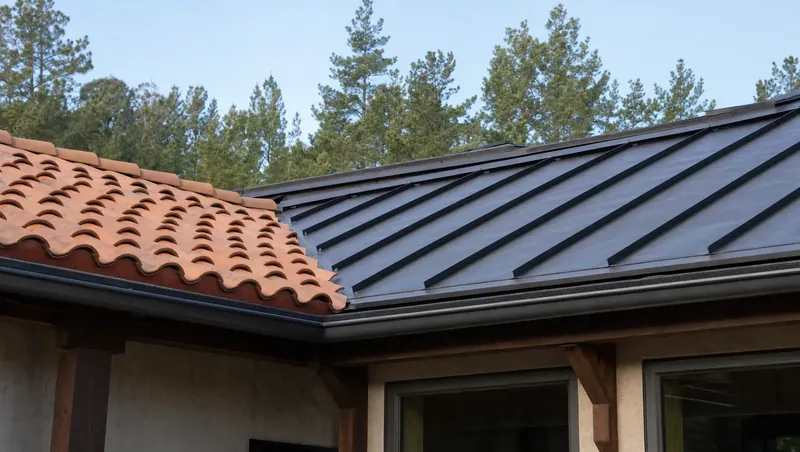
In short
A Class A roof is the highest fire classification a roof assembly can earn when tested to ASTM E108 or UL 790. California requires it for new homes in fire hazard areas (CWUIC §504.2) — and for existing homes that replace 50 percent or more of the roof covering within 12 months. Class A asphalt runs about $6.29 per square foot installed, including underlayment, per the 2024 Headwaters Economics / CAL FIRE retrofit cost study.
Class A is the whole roof, not the shingle
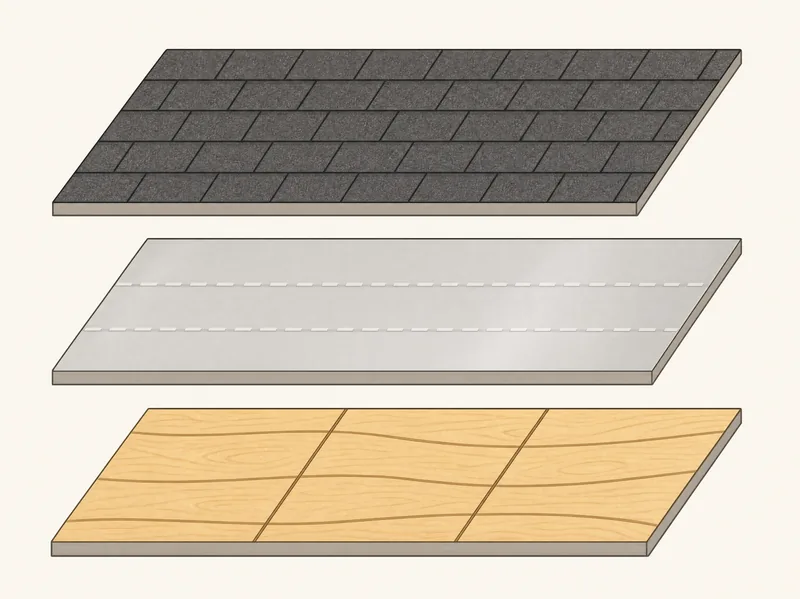
- Swap the underlayment or the deck — you may be outside the tested assembly
- Proof — product data sheet or permit records for your roof
Do you need a Class A roof?
Existing home: the 50% reroof rule
Share of the roof covering you replace in any 12 months
Your building official does the counting at permit — ask before you split a reroof into phases.
-
New home in a fire hazard area
Class A required CWUIC §504.2 -
Sound roof you are not replacing
No tear-off order The rule starts when you reroof -
Selling in a high or very high fire hazard zone
Disclose untreated wood roof shingles Civil Code §1102.6f · disclosure, not a mandate
CBC Chapter 7A · §705A CWUIC §504.2 Same roof rule, new number since January 1, 2026
Where embers get in
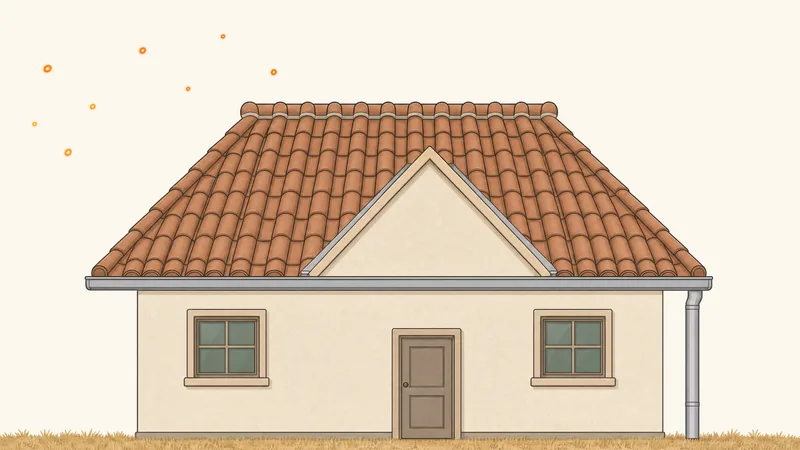
60–90%of home ignitions occur because of embers — CAL FIRE estimate
- Eaves: bird stopsClose the open channels at the eave of barrel tile and other profiled roofs§504.2.1.1
- Hip and ridge: mudded-in capsSo fire and embers cannot get under them§504.2.1.1
- Valleys: metal flashingAt least 0.019 inch thick, over a 36-inch-wide, 72-pound cap sheet§504.2.2
- Gutters: noncombustiblePlus an approved way to keep leaves and debris out§504.4
Roof coverings that qualify
- Asphalt shingle Nearly all on the market are Class A; the assembly adds a fire-resistant synthetic underlayment Most common
- Metal sheets or shingles On a noncombustible deck
- Clay or concrete tile On a noncombustible deck — with bird stops at the eaves
- Slate On a noncombustible deck, or over ASTM D226 Type II underlayment
- Brick or masonry Or an exposed concrete roof deck
- Copper At least 16 ounces per square foot, over a combustible deck
- Wood shake or wood shingle Not Class A High risk · CAL FIRE
What it costs
Retrofit, installed, per square foot · 2024 Headwaters Economics / CAL FIRE study
New-build figures are 2022 dollars and extra cost over asphalt, not total roof prices.
- $20.26/sq ft · bird-stop material
- $2.93/linear ft · metal drip edge
- $1.02/linear ft · roof-to-wall flashing
Cheapest way: buy it on schedule. When it is time to replace your roof, replace it with a Class A fire-rated roof.
What "Class A" actually means
Class A is not a label a shingle carries on its own. It is a rating earned by a tested roof assembly — the covering plus the underlayment plus the deck it sits on — when that assembly is run through ASTM E108 or UL 790, the standard fire tests for roof coverings. The California code states the requirement in exactly those terms: roofs shall have a roof assembly that complies with a Class A fire classification when tested in accordance with ASTM E108 or UL 790. Swap the underlayment or change the deck and you are no longer necessarily inside the tested assembly, which is why the paperwork your roofer files at permit matters as much as the box the shingles came in.
The good news is that this rarely costs extra on the mainstream path. IBHS states that nearly all asphalt shingles currently on the market are Class A fire-rated, and that three-quarters of all homes in the United States already have a Class A asphalt shingle roof (IBHS, 2021). For most homeowners the question is not "can I afford Class A" but "is the assembly I am about to buy documented as Class A."
The roof matters more than any other surface because of how homes actually catch fire: CAL FIRE estimates that between 60 and 90 percent of home ignitions occur because of embers. CAL FIRE's home hardening guidance calls the roof the most vulnerable part of your home and singles out wood shingle roofs as high risk, pointing homeowners instead toward composite, asphalt, metal, clay, or tile. A roof is also the largest horizontal ember-catcher on the property — every gap under a tile, every debris-packed gutter, every open valley is a place for a landed ember to sit and smolder.
When California requires a Class A roof
The rules live in the 2025 California Wildland-Urban Interface Code (CWUIC, Title 24 Part 7), which replaced CBC Chapter 7A on January 1, 2026. The content is close to identical; the section numbers moved — roofing went from §705A to §504.2. If you are searching old contractor bids or county handouts, "Chapter 7A roof" and "CWUIC §504.2 roof" describe the same requirement.
New construction. The code applies to new buildings in a wildland-urban interface area (§101.2): State Responsibility Area land in a Moderate, High or Very High Fire Hazard Severity Zone, locally designated Very High zones inside Local Responsibility Areas, and other locally designated WUI areas. OSFM guidance and the code text differ slightly on whether High-hazard LRA land is included, and local jurisdictions can amend the code, so confirm with your local building official for your parcel. Roofing has the longest history here: for buildings permitted between December 1, 2005 and June 30, 2008, roofs and vents were the only WUI requirements in force. Homes built before that were never held to any of it.
Existing homes: the 50 percent reroof trigger. This is the one place the WUI code reaches into an existing house by force. CWUIC §507.1 provides that on buildings that existed before the code was adopted, a roof covering that is replaced — or that has "50 percent or more replaced in a 12-month period" — must be replaced with the roof covering required for new construction under §504.2 and §504.2.1. In plain terms: a full tear-off, or a partial job that crosses half the roof inside a rolling year, obligates you to Class A. The same section adds that any portion of roof covering applied during an addition, alteration or repair must meet at least a Class A fire classification. Below that threshold, ordinary repairs do not force a whole-roof upgrade — and additions or remodels of buildings originally built before July 1, 2008 are otherwise exempt from the code. Because the counting is done at permit, ask your building official how they apply the 12-month window before you split a reroof into phases.
At sale, disclosure — not a mandate. Under California Civil Code §1102.6f, sellers of homes in high and very high fire hazard severity zones must disclose whether certain features are present — the list includes untreated wood roof shingles, loose or missing roof flashing, and gutters without metal or noncombustible covers. Disclosing them is the duty; fixing them is not required by that statute. Our AB 38 guide walks through the sale-time obligations in order.
Materials that get you there
Some assemblies are treated as Class A without further testing. The exceptions listed under §504.2 cover:
- Brick, masonry, or an exposed concrete roof deck.
- Ferrous or copper shingles or sheets, metal sheets and shingles, clay or concrete tile, or slate installed on a noncombustible deck — or metal sheets with no deck at all, on noncombustible framing.
- Copper of at least 16 ounces per square foot over a combustible deck.
- Slate over ASTM D226 Type II underlayment over a combustible deck.
Outside those, the mainstream path is a Class A asphalt fiberglass composition shingle assembly with a fire-resistant synthetic underlayment — the same product most Californians already have, documented as an assembly. IBHS's Wildfire Prepared Home checklist likewise names asphalt shingles, tile, slate, or metal as Class A covering options.
Where roofs fail in real fires, though, is at the details — not in the middle of the field:
- Bird stops and mudded caps on profiled roofs. Barrel tile and other profiled coverings leave open channels at the eave. §504.2.1.1 requires bird stops at the eaves where the profile fits, to keep debris out, and requires hip and ridge caps to be mudded in so fire and embers cannot get under them. Over a combustible deck with an airspace, that section also calls for a 72-pound ASTM D3909 cap sheet (or, as an alternative, at least 1 inch of mineral wool board) beneath the tile. CAL FIRE's retrofit guidance describes the same idea as "ember sealing" — closing off the gaps under roof tiles and shingles.
- Valleys. §504.2.2 specifies valley flashing of corrosion-resistant metal at least 0.019 inch thick (No. 26 galvanized sheet gauge) over a 36-inch-wide, 72-pound mineral-surfaced cap sheet running the full length of the valley.
- Gutters. §504.4 was tightened in the 2025 code: gutters and downspouts must be noncombustible, and gutters must have an approved means to prevent leaves and debris from accumulating. A clogged gutter puts a tray of dry fuel against your fascia and roof edge.
On product listings: the OSFM Building Materials Listing program keeps a category for WUI roofing — Category 8180, Non-Wood Roof Covering/Assemblies, tested to ASTM E108 or UL 790. As of the September 2, 2025 handbook edition, examples of products holding a listing in that category include Westlake DaVinci composite tiles, Metal Sales standing seam metal roofing, and Owens Corning Titanium FR underlayment; the category mixes complete assemblies and underlayments, which is another reminder that the rating attaches to the assembly. Most Class A roofing sold in California carries UL listings rather than an OSFM listing, and that is fine: the OSFM handbook itself notes that products not listed with OSFM may still comply with the prescriptive standards, that OSFM reviews submitted test data without independently verifying claims, and that the local Authority Having Jurisdiction has the final say on what may be used. You can search current listings at the OSFM BML search tool.
What a Class A roof costs
Retrofit unit costs below are from the 2024 Headwaters Economics / CAL FIRE retrofit cost study (spring 2024 pricing, including material, labor, and demolition):
- Class A asphalt fiberglass composition shingle, including fire-resistant synthetic underlayment — $6.29 per square foot installed. The shingle alone is $4.96 per square foot; the synthetic underlayment adds $1.33.
- Class A standing seam metal, including underlayment — $18.68 per square foot installed ($1,868 per square).
- Bird-stop material for tile roofs — $20.26 per square foot. Metal drip edge — $2.93 per linear foot. Roof-to-wall metal flashing — $1.02 per linear foot.
- Worked example from the same study: retrofitting a simple 1,000-square-foot wood-shake roof with an asphalt fiberglass composition shingle product plus synthetic underlayment came to around $6,300.
Tile retrofits were not priced in that study — it says so explicitly, so we will not invent a per-square-foot figure for tile. The only tile number we can cite is a new-construction delta.
For new construction, a 2022 Headwaters Economics / IBHS study of California construction costs measured the upgrade from Class A asphalt composition shingles to higher-end wildfire-resistant roofing: about $10,450 more for optimum roofing materials and assemblies on a northern California home (standing seam steel), and $12,870 more for a barrel tile covering with noncombustible end caps and an underlying mineral-surfaced roll roofing in southern California. Both figures are 2022 dollars and are deltas over asphalt, not total roof prices.
The cheapest way to buy a Class A roof is to buy it on schedule. CAL FIRE's official low-cost retrofit list puts it plainly: when it is time to replace your roof, replace it with a Class A fire-rated roof. That list is a list of measures, not prices — it contains no dollar figures at all — and its logic is that the incremental cost of the compliant option is small when the roof is already coming off. Completed hardening work is also recognized under California's Safer from Wildfires framework and by the California FAIR Plan's mitigation discounts; see our insurance discounts guide for how to document a reroof so it shows up on your premium.
Related retrofits: ember-resistant vents · fire-resistant siding · fire-resistant windows · home hardening contractors
FAQ
5
Is my existing asphalt shingle roof already Class A?
Probably, if it was installed reasonably recently — the Insurance Institute for Business & Home Safety states that nearly all asphalt shingles currently on the market are Class A fire-rated, and that three-quarters of all US homes have a Class A asphalt shingle roof. But the rating belongs to the tested assembly, not the shingle alone, so the underlayment and deck matter too. Check the product data sheet or the permit records for your roof, and if the roof is wood shake or wood shingle, it is not Class A.
Do I have to replace my roof right now if it is not Class A?
No. The California Wildland-Urban Interface Code applies to new buildings; it does not order owners of existing homes to tear off a sound roof. The one exception is timing-based: once you replace the roof covering (or 50 percent or more of it within 12 months), the replacement has to be Class A. Untreated wood roof shingles are also a seller-disclosure item at sale in high and very high fire hazard severity zones — a disclosure duty, not a retrofit order.
What exactly triggers the 50 percent reroof rule?
CWUIC §507.1 covers buildings that existed before the code was adopted. If the roof covering is replaced, or 50 percent or more of it is replaced in any 12-month period, the new covering must meet what new construction requires under §504.2 and §504.2.1 — that is, Class A. It also says any portion of roof covering applied during an addition, alteration or repair must be at least Class A. Repairs below that 50 percent threshold in a 12-month window do not trigger the full upgrade. Your local building official applies the rule at permit, so confirm the count with them before scheduling work.
How much more does metal or tile cost than asphalt?
For retrofits, the 2024 Headwaters Economics / CAL FIRE study priced Class A standing seam metal at $18.68 per square foot installed versus $6.29 per square foot for Class A asphalt fiberglass composition shingle with synthetic underlayment. It did not price a tile retrofit. For new construction, a 2022 Headwaters Economics / IBHS study of California costs found optimum roofing added roughly $10,450 over Class A asphalt shingles for a northern California home (standing seam steel), and a barrel tile covering with noncombustible end caps and mineral-surfaced roll roofing ran $12,870 above asphalt composition shingles in southern California.
Do gutters and bird stops matter, or just the roof covering?
They are part of the job. The 2025 code requires gutters and downspouts to be noncombustible and to have an approved means of keeping leaves and debris from accumulating. On profiled roofs such as barrel tile, §504.2.1.1 calls for bird stops at the eaves where the profile leaves a gap, and for hip and ridge caps to be mudded in so embers cannot get under the tiles. IBHS lists Class A covering, noncombustible bird stops, noncombustible gutters and downspouts, and debris removal together in the base level of its Wildfire Prepared Home standard.
Sources 10
- ASTM E108 or UL 790 codes.iccsafe.org
- IBHS, 2021 ibhs.org
- the most vulnerable part of your home readyforwildfire.org
- §101.2 codes.iccsafe.org
- confirm with your local building official osfm.fire.ca.gov
- California Civil Code §1102.6f leginfo.legislature.ca.gov
- the OSFM BML search tool calfire.govmotus.org
- 2024 Headwaters Economics / CAL FIRE retrofit cost study headwaterseconomics.org
- 2022 Headwaters Economics / IBHS study of California construction costs headwaterseconomics.org
- low-cost retrofit list caloes.ca.gov
Find home hardening contractors in your county
- Alameda44
- Alpine3
- Amador16
- Butte60
- Calaveras23
- Colusa4
- Contra Costa52
- Del Norte1
- El Dorado75
- Fresno16
- Glenn7
- Humboldt15
- Imperial5
- Inyo4
- Kern19
- Kings4
- Lake18
- Lassen7
- Los Angeles282
- Madera10
- Marin75
- Mariposa4
- Mendocino34
- Merced9
- Modoc3
- Mono5
- Monterey24
- Napa44
- Nevada97
- Orange49
- Placer86
- Plumas11
- Riverside64
- Sacramento41
- San Benito6
- San Bernardino41
- San Diego67
- San Francisco9
- San Joaquin18
- San Luis Obispo16
- San Mateo32
- Santa Barbara30
- Santa Clara49
- Santa Cruz33
- Shasta41
- Sierra5
- Siskiyou10
- Solano13
- Sonoma107
- Stanislaus16
- Sutter7
- Tehama21
- Trinity5
- Tulare17
- Tuolumne19
- Ventura34
- Yolo12
- Yuba12
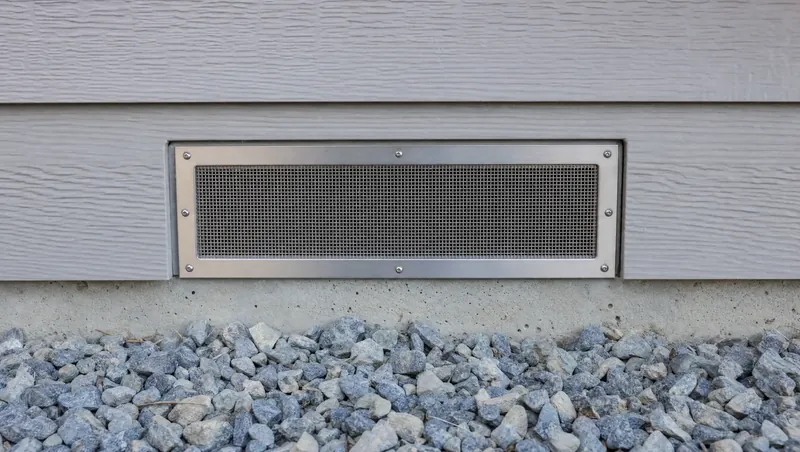 Ember-resistant vents
 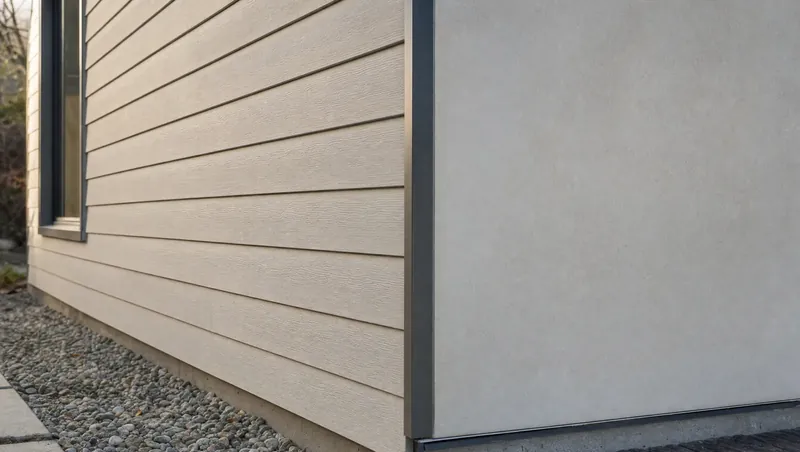 Fire-resistant siding
 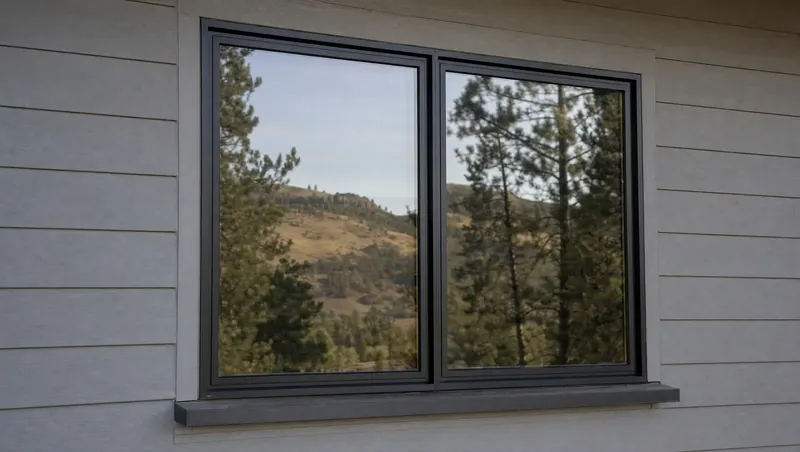 Fire-resistant windows
 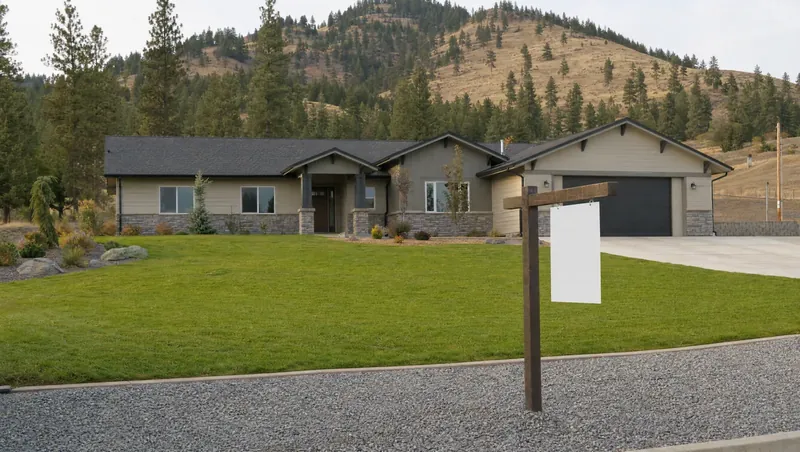 AB-38: selling a home