New home
Required · §504.5Permitted in a covered area:
- SRAModerate · High · Very High
- LRAVery High
- Localdesignated WUI areas
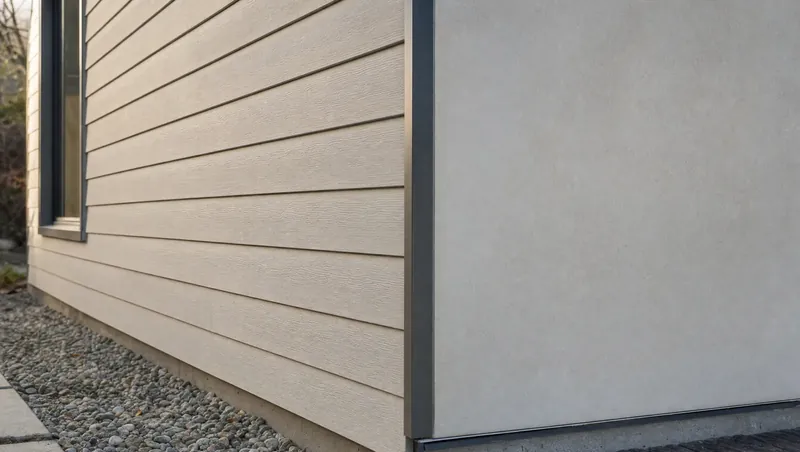
Fire-resistant siding is exterior wall covering that is either noncombustible or ignition-resistant — stucco, fiber cement, metal, or treated wood rather than untreated wood. California requires it on new homes in fire hazard severity zones under §504.5 of the 2025 Wildland-Urban Interface Code. Retrofitting an existing wall runs about $7 per square foot installed, per the 2024 Headwaters Economics / CAL FIRE cost study.
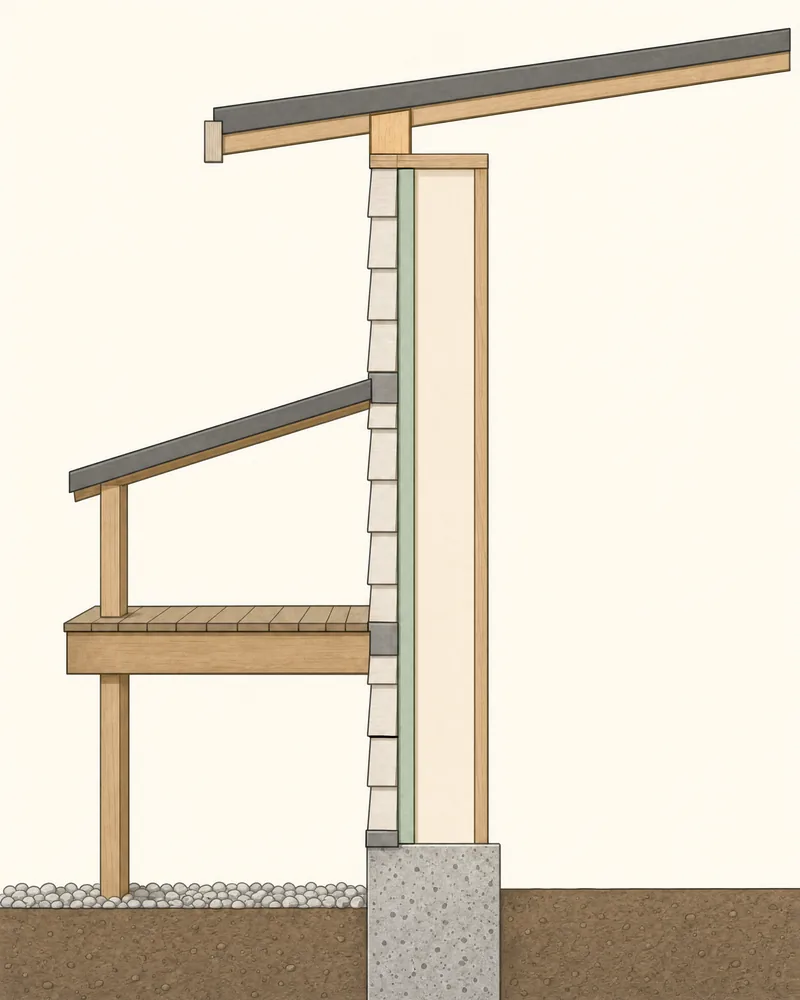
The covering runs from the top of the foundation to the underside of the roof sheathing.
§504.5Metal flashing or noncombustible material at the ground, decking and roof intersections.
§504.5.1At overhangs the covering ends at 2-inch nominal solid wood blocking.
§504.5.2.1One layer of 5/8-inch Type X gypsum sheathing behind the covering is one way to pass.
§504.5Caulk or plug gaps greater than 1/8-inch; replace damaged or dry-rotted boards.
Low-Cost Retrofit ListThe noncombustible 0–5 foot zone ends exactly where your siding begins.
IBHSThe rating belongs to the tested product, not to “fiber cement” as a class. Check the exact product in the live BML search tool — and confirm with your building official before ordering.
Permitted in a covered area:
In California, plan on a modest premium rather than a wash. The “costs about the same” finding is a Montana result.
“Ignition-resistant” is a test result §503.2.4
Compliance runs down one of the two tracks — then the details in the wall diagram above decide whether the job actually passes.
The Office of the State Fire Marshal sorts wildfire exposure into three pathways — embers, direct flames, and radiant heat, where "heat from one burning home can ignite the next." An exterior wall is the one surface of a house that faces all three at once, which is why the code treats it as an assembly rather than a product. IBHS research finds that up to 90 percent of homes damaged or destroyed in a wildfire were first ignited by embers, not by the main fire front.
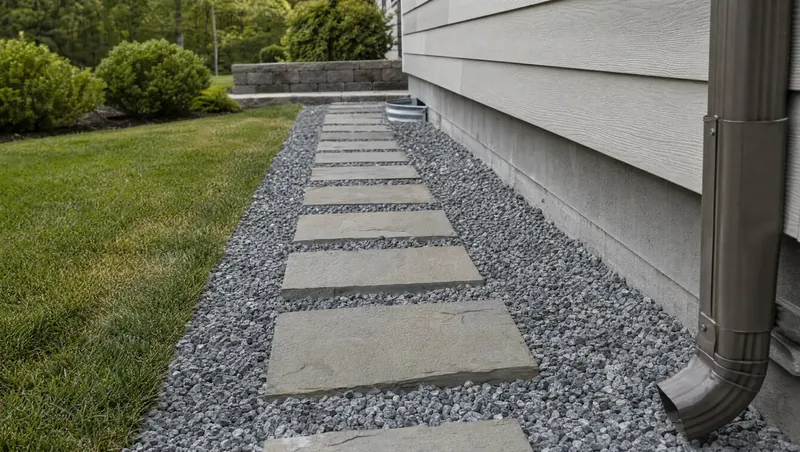
Both the code and the insurance-industry standard single out the same place on the wall: the bottom. The 2025 code adds a 6-inch band of noncombustible material at ground, decking, and roof intersections (below), and the IBHS Wildfire Prepared Home baseline asks for a 6-inch vertical noncombustible clearance at wall bases plus a noncombustible 0–5 foot zone around the structure. That zone ends exactly where your siding begins — see Zone 0 for what has to leave the first five feet.
The governing text is §504.5 of the 2025 California Wildland-Urban Interface Code (CWUIC, Title 24 Part 7), which replaced CBC Chapter 7A on January 1, 2026 — if you have older plans or an older contractor quote, this is the section that used to be numbered §707A. It applies to new buildings permitted in the covered areas: State Responsibility Area land in a Moderate, High, or Very High Fire Hazard Severity Zone, Local Responsibility Area land in a Very High zone (OSFM's own guidance page says High and Very High, so confirm your designation with the local building official), and locally designated WUI areas.
Compliance runs down one of two tracks. The first is the wall assembly itself, per §504.5:
The second track is the exterior covering, per §504.5.2: noncombustible material; ignition-resistant building material labeled for exterior use; FRT wood labeled for exterior use; or FRT wood shingles and shakes that qualify as a Class B roof covering, installed over solid sheathing. Note that last one is a wall allowance only — Class B is not a permitted roof classification in these areas, where roofs must be Class A (Class A roof guide).
Three details decide whether a job actually passes:
"Ignition-resistant," where the code uses it, means a material tested to ASTM E84 or UL 723 with the burn extended to 30 minutes on both faces, with a flame spread index of 25 or less (§503.2.4).
CAL FIRE's homeowner guidance is short: "Avoid flammable siding. Preferred materials include stucco, fiber cement, or specially treated wood" (readyforwildfire.org). The code itself names no brands and no generic materials — it names test standards. What connects the two is the OSFM Building Materials Listing program, whose handbook records which specific products have passed. Siding and sheathing sit in Category 8140 (test protocol SFM 12-7A-1), and 44 different companies held listings there as of the September 2, 2025 handbook edition. Examples, with no endorsement implied:
Three caveats OSFM states itself. Products that are not BML-listed may still comply with the prescriptive standards, since listing is not a statutory mandate. OSFM reviews the test data applicants submit but does not independently verify their claims. And the local Authority Having Jurisdiction has the right to approve or disapprove products in its own jurisdiction — so confirm with your building official before ordering. You can check any product's current status in the live BML search tool.
All figures here come from the 2024 Headwaters Economics / CAL FIRE retrofit cost study, funded by CAL FIRE and the USDA Forest Service, and include material, labor, and demolition/installation for existing California homes:
You will often read that a wildfire-resistant home costs about the same as a conventional one. That finding is real but specific: it comes from a 2018 Headwaters Economics / IBHS study of a Montana model home, where wildfire-resistant construction cost 2 percent less overall — the largest saving coming from using fiber-cement siding in place of cedar plank, which made the exterior walls $12,190 (25 percent) cheaper than the typical build.
California data points the other way, modestly. Per a 2022 Headwaters Economics / IBHS study of California construction costs, optimal wildfire-resistant exterior wall materials cost $1,240 more than wood composite siding, wood composite trim, and a vinyl dryer vent in a northern California model home; in southern California, stucco siding plus an approved flame- and ember-resistant vent added approximately $4,870 to optimal exterior wall construction. Treat the Montana parity result as a Montana result — in California, plan on a modest premium rather than a wash.
Related retrofits: ember-resistant vents · Class A roofs · fire-resistant windows · Zone 0 · home hardening services. If you are selling in a high or very high fire hazard severity zone, see AB 38 and seller disclosure; for documenting completed work with your insurer, see insurance discounts.
No material is "fireproof," and California's code never uses that word. What the code recognizes is noncombustible material, ignition-resistant material, and wall assemblies that pass a 10-minute direct flame test. Some fiber-cement products land in the first category — one James Hardie panel in the September 2, 2025 OSFM handbook is listed as noncombustible under ASTM E136 — while others qualify through the SFM 12-7A-1 assembly test in Category 8140. Either way the rating belongs to the tested product or assembly, not to "fiber cement" as a generic class, and the wall still depends on what is behind and below the cladding.
Not for code compliance. Section 503.2.5 of the 2025 California WUI Code states plainly that the use of paints, coatings, stains or other surface treatments is not an approved method of protection under the chapter — the same language appeared in the old Chapter 7A §703A.5.3. A coating may do other useful things for your walls, but it cannot convert combustible siding into a compliant exterior wall covering.
Generally no. The WUI Code applies to new buildings in the covered areas, and additions or remodels of buildings originally built before July 1, 2008 are expressly excepted (§101.3.1 Exception 5). The one place the code reaches backward by force is roofing: §507 requires a Class A roof covering when an existing roof is replaced, or 50 percent or more is replaced within 12 months. Siding has no equivalent retroactive trigger — and it is also not one of the features a seller must disclose under Civil Code §1102.6f. CAL FIRE's position is the practical one: upgrade to compliant materials when the siding is up for replacement anyway.
Per the 2024 Headwaters Economics / CAL FIRE retrofit cost study, noncombustible fiber-cement exterior wall siding runs $6.67 per square foot installed — the report rounds it to "around $7 per square foot," including material, labor, and demolition. That study also priced one 480-square-foot side of a home with noncombustible siding, synthetic house wrap, and gypsum wallboard at around $4,000, and noted that the gypsum layer is not required by the code and would reduce the price if omitted.
It is a defined test result, not a marketing term. Under §503.2.4 of the 2025 California WUI Code, an ignition-resistant building material is tested to ASTM E84 or UL 723 with the burn extended to 30 minutes (or to ASTM E2768), on both the front and back faces. It must show a flame spread index of 25 or less, and the flame front must not progress more than 10 feet 6 inches beyond the centerline of the burner. Panel products are tested with a 1/8-inch longitudinal gap. Products meeting this are listed by OSFM under Category 8170, Ignition-Resistant Materials.
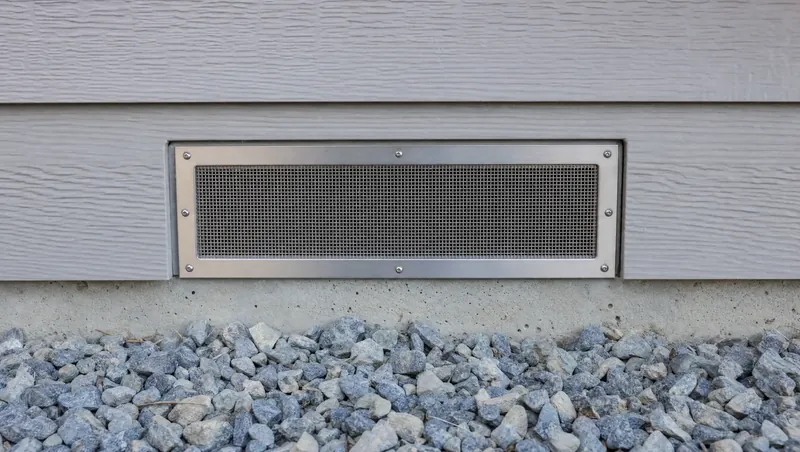 Ember-resistant vents
 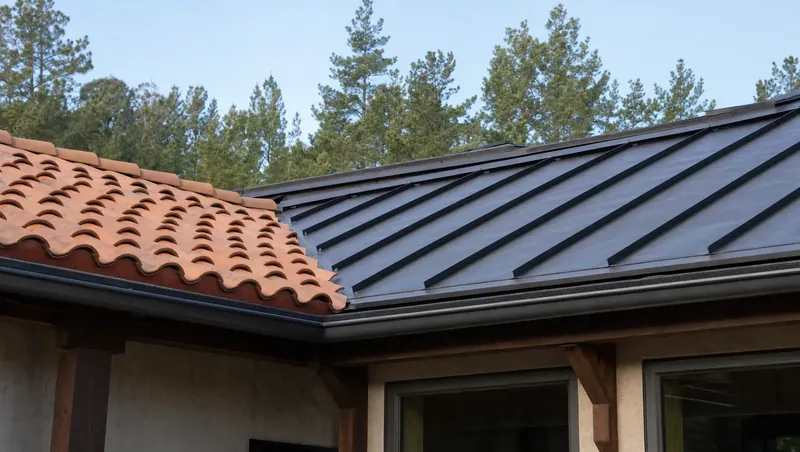 Class A roof
  Fire-resistant windows
  Zone 0: the first 5 feet